Decision walkthrough · Uber international growth, 2016

Build a fleet product, or keep patching driver growth?

Keep optimizing the driver funnel, or commit engineering to a new supply primitive.

Varun Bhartia · Growth Product Lead
Background & context
  • Engineer, product manager, venture backed founder, and tech leader
  • Prior: venture backed founder; Microsoft, Facebook, Uber Eats, YouTube Kids

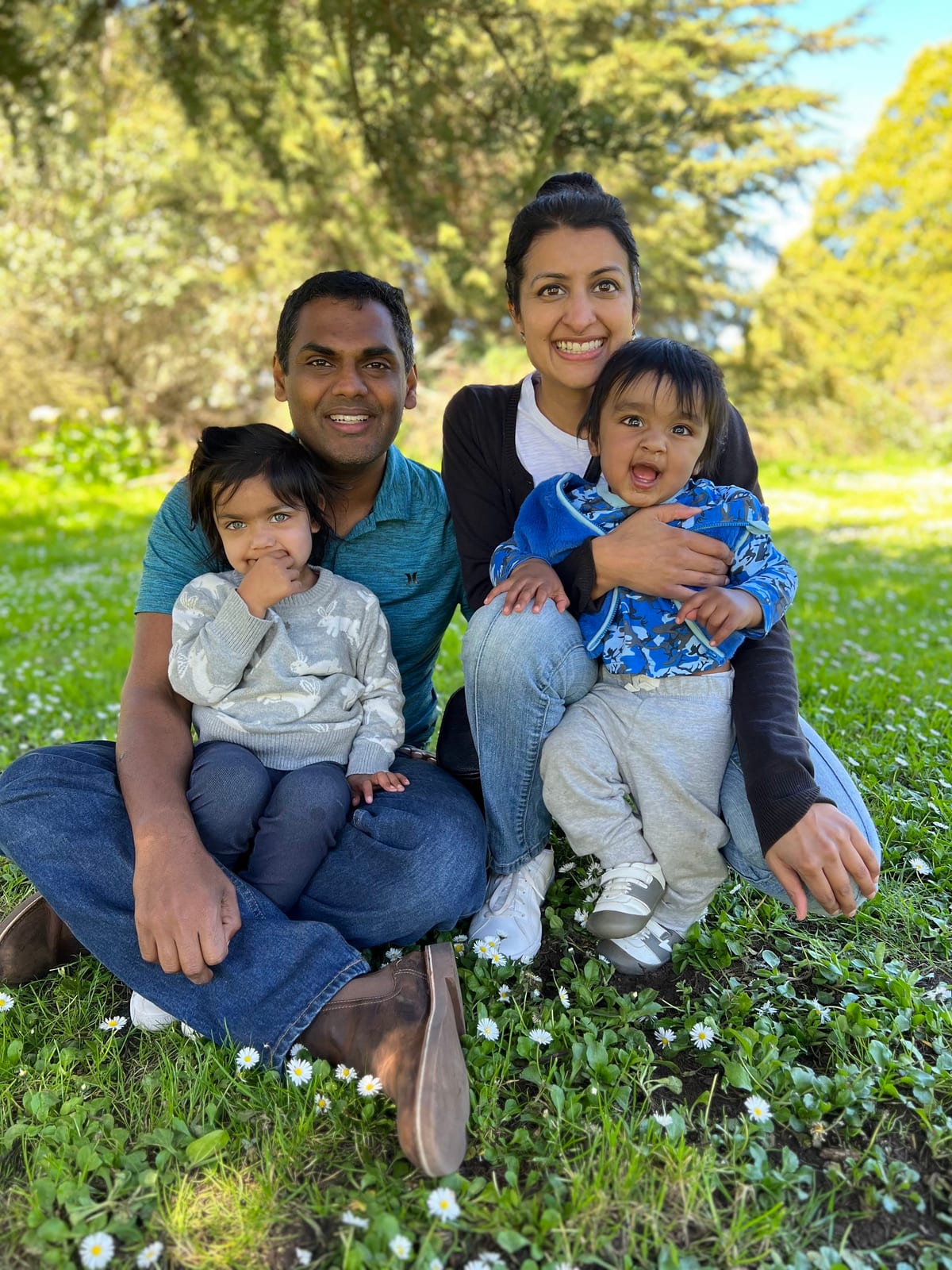
Family in San Francisco.
Section 1 / 12

Goal: Grow Supply in Emerging Markets for Uber

Supply = active vehicles × hours driven per vehicle
  1. Prices artificially low, consumer demand was extraordinary; supply was the constraint
  2. Hours capped by fatigue, regulation, and traffic
  3. Car ownership under 5%; license caps + competitor subsidy wars
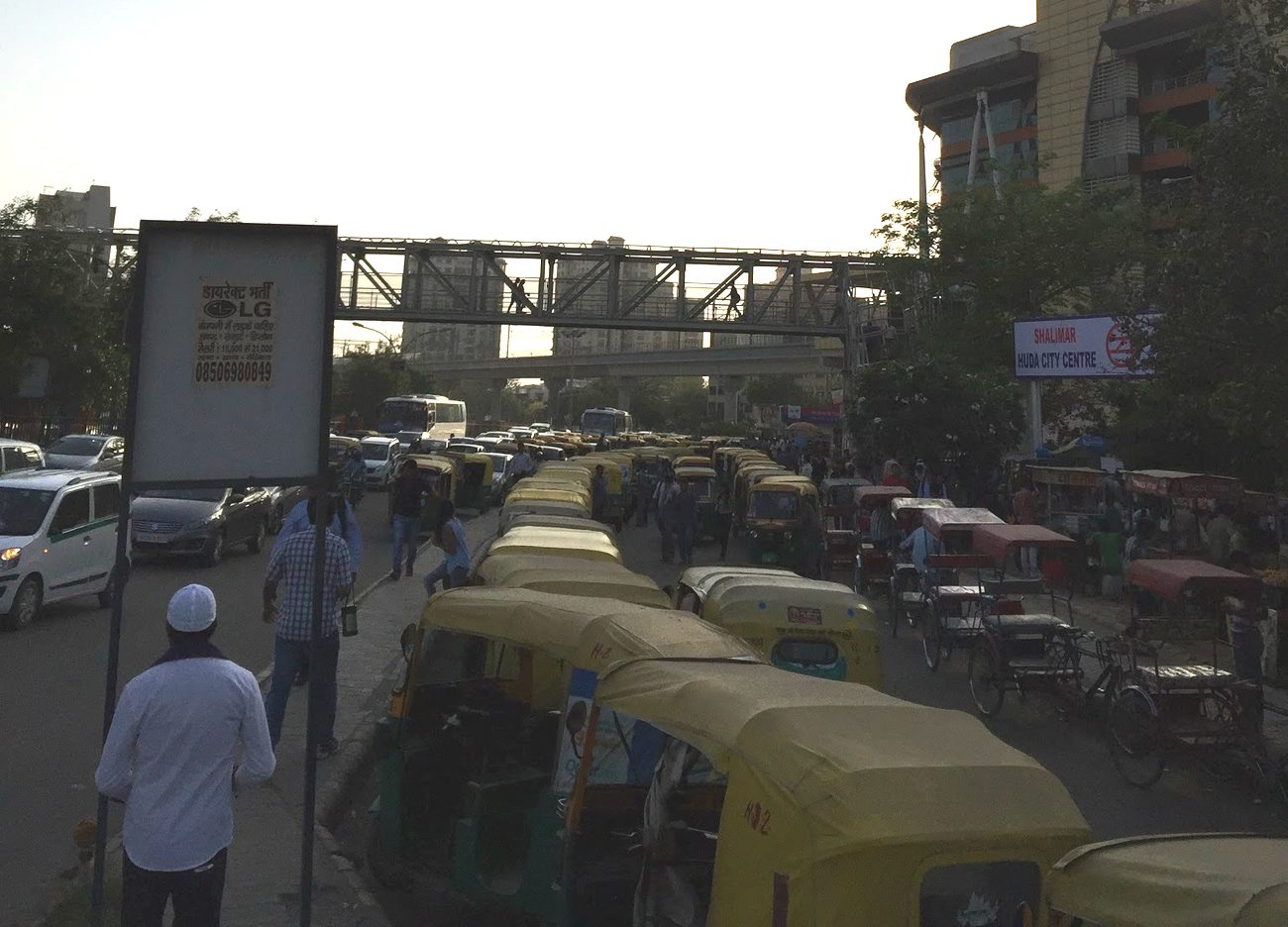
Traffic vs. supply/demand
Delhi gridlock. Makes basic movement (pickup, drop-off, etc.) hard.
Section 2 / 12

Growth Efforts: No Significant Growth, but Necessary to Maintain

No new net drivers. Competitors just stealing drivers back and forth.

Top of funnel
UberDost · a mobile CRM for field agents
Uber Commute
Onboarding & activation
No app to start, no background check
Churn
Prediction + promos + loyalty program to retain drivers
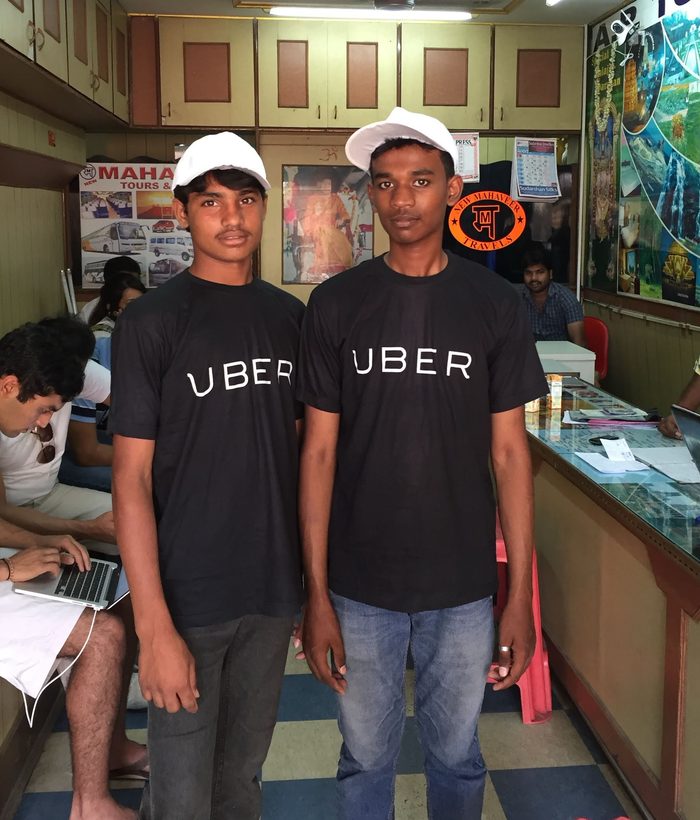
Uber Dost field ops
Uber Dost workers. They would scan license plates and activate drivers on the spot at train stations.
Section 3 / 12

Observation: Businesses Own Many Cars That Are Underutilized

  1. Micro-entrepreneurs owned vehicles but didn't drive them
  2. Tour operators, corporate transport, fleets of 2 to 20 cars
  3. Vehicles sat idle during non-peak business hours
  4. Owners weren't drivers; drivers didn't own cars
  5. No way for business owners with many cars to use Uber
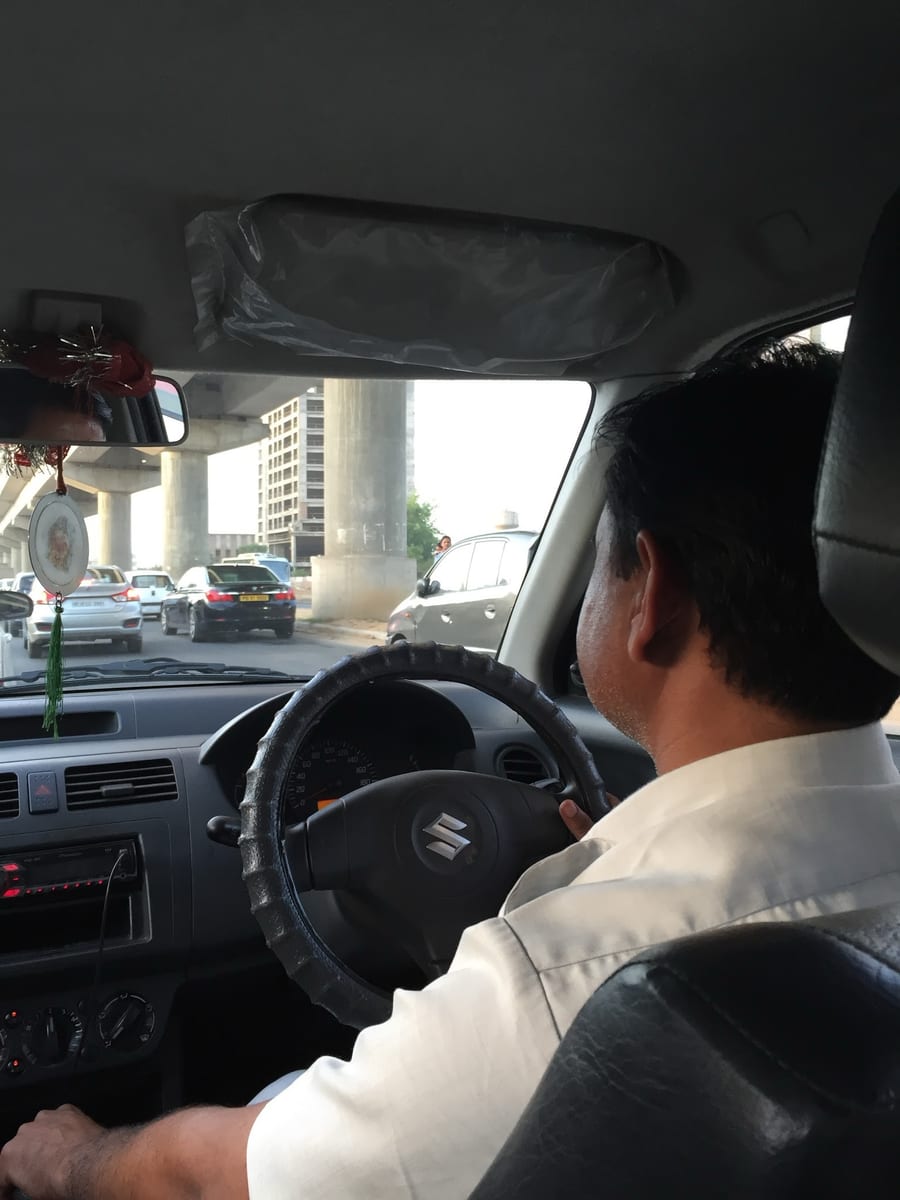
Riding Ubers around India.
Section 4 / 12

Hypothesis: Can We Unlock New Supply With Business Car Owners?

  1. Treat fleet managers and business owners as a new user type on Uber
  2. Owners bring the cars and their managed drivers; Uber brings demand
Metric
# of first-trip drivers in a week
Submetrics
  • Driver retention
  • Ride rating
Guardrails
  • No major safety incidents
Section 5 / 12

Unknowns and Risks

  1. Market risk
    1. How big are fleets? Does it apply internationally, or is it just a large-city attribute?
    2. Would business owners manage a dynamic business on Uber, vs. a steady-state fleet-contract business?
  2. Safety risk
    1. Onboard new drivers who aren't vetted? Could it impact the existing business?
  3. Operations risk
    1. Could operations support this?
  4. Org risk
    1. Could we get approval for a platform effort?
    2. Do we have Eng resources to build it?
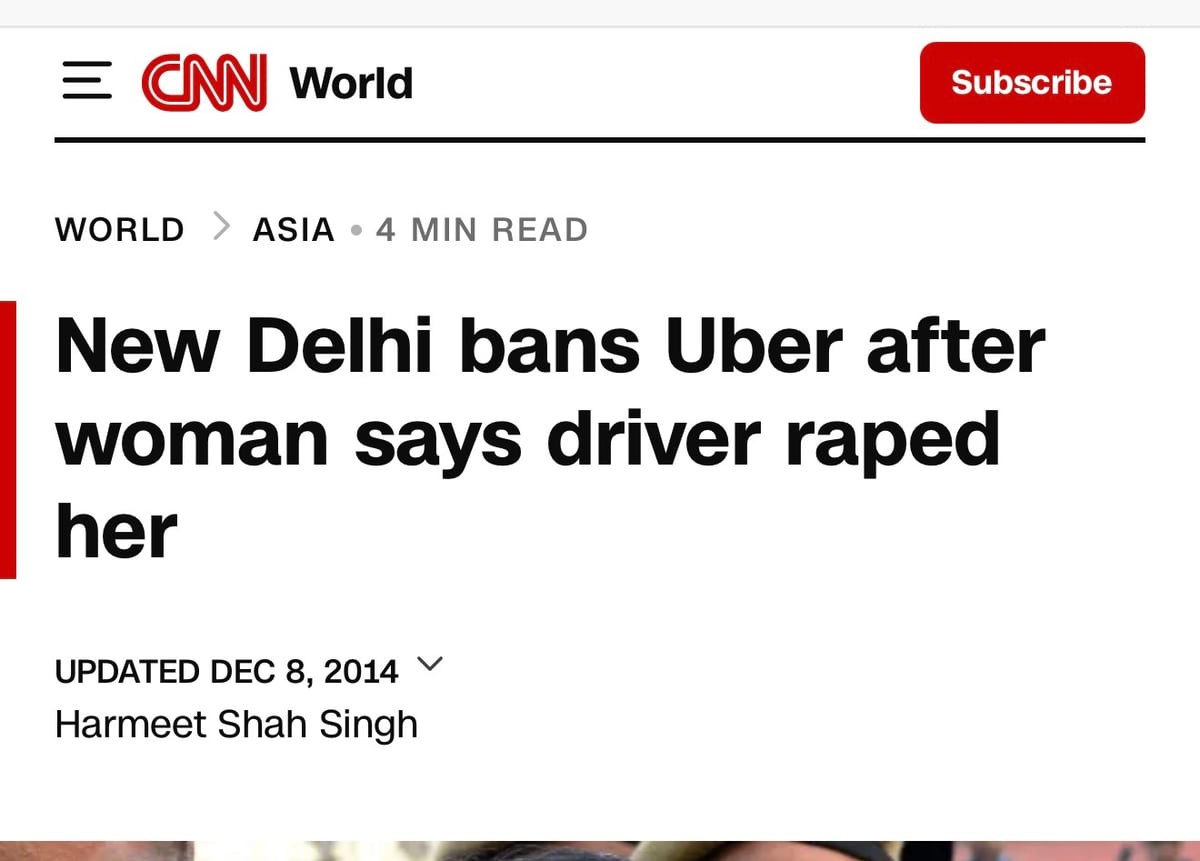
Dec 2014: Delhi banned Uber after a driver assault. Safety and vetting became non-negotiable.
Section 6 / 12

P0: Do the Basics to Learn About the Potential of Fleets

  1. Enable back-end association between fleet managers and drivers
  2. Earnings appear to the fleet manager, not the driver
  3. CRUD drivers for the fleet manager
Result
  • Overall positive: more drivers on the road, but with more support costs
  • Gave the operational team confidence to continue
Section 7 / 12

Fork in the Road: How to Exploit This Opportunity

Driver: me · Approvers: regional GMs + product leadership

Strategic OptionProsCons & RisksDACI Verdict
1. Patch Driver App (Status Quo)
Allow car owners to share individual driver app accounts and credentials.
  • Zero engineering build time
  • Immediate deployment across all markets
  • Extreme security and safety risks
  • Impossible accounting/payout tracking for vehicle owners
Rejected
2. Full Matchmaker Platform
Build an end-to-end two-sided marketplace connecting fleet-less drivers directly to vehicle owners.
  • Solves driver-vehicle liquidity end-to-end
  • High long-term scalability
  • Massive engineering scope and resource consumption
  • High failure risk if fleet supply isn't already digitized
Deferred
3. MVP Fleet Manager App
Build a dedicated Android portal for owners to manage existing drivers, vehicles, and daily earnings.
  • Solves core owner pain points (CRUD, real-time map, earnings)
  • Fast to market by leveraging local City Ops networks
  • Requires re-allocating Growth engineering bandwidth
  • High safety exposure requiring strict Ops verification guardrails
Selected Path
Section 8 / 12

Risk Mitigations

How we de-risked each unknown before committing.

  1. Market risk
    1. Sized real fleet supply with a single-market MVP before betting on international rollout
    2. Let owners run it as their own business: they manage their drivers and vehicles, earnings route to them
  2. Safety risk
    1. Only city-ops-verified drivers assignable; no self-onboarding; human-in-the-loop compliance
  3. Operations risk
    1. Leaned on existing City Ops networks; scoped the MVP so ops could support it
  4. Org risk
    1. Ran the DACI to secure GM and product-leadership approval before building
    2. Cut scope to an Android-only MVP; validated in weeks, not quarters
Section 9 / 12

MVP Scope: Built vs. Cut

  1. Built: Android app, driver/vehicle management, live map, payouts
  2. Cut: iOS, driver-vehicle matching marketplace
  3. Cut: self-serve background checks, deep analytics
  4. Goal: validate the hypothesis in weeks, not quarters
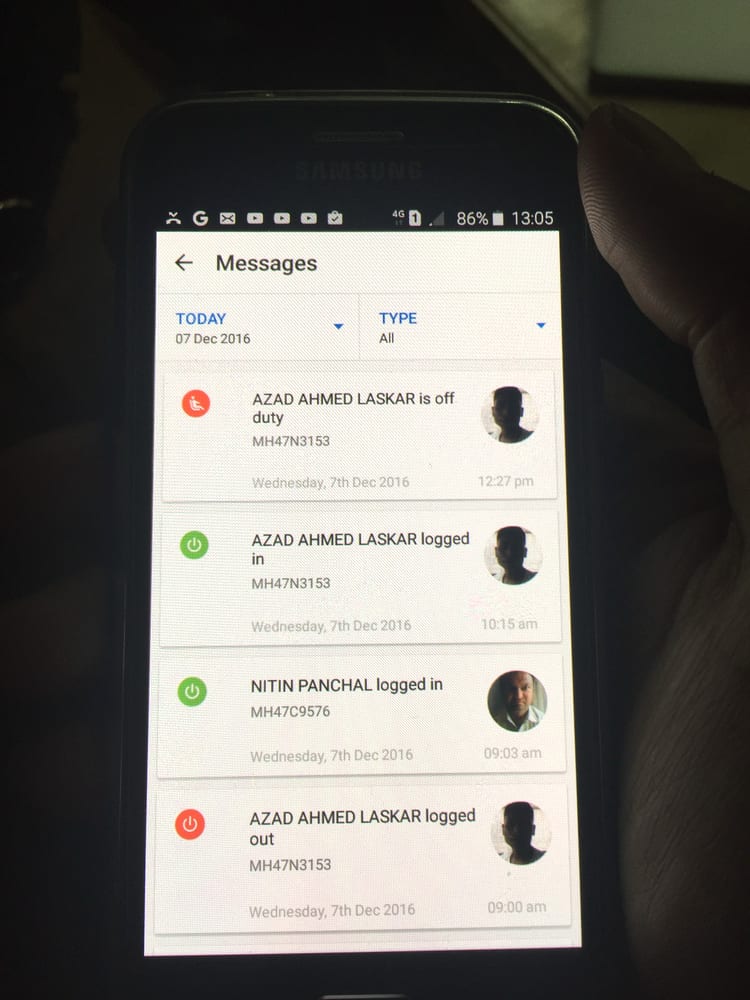
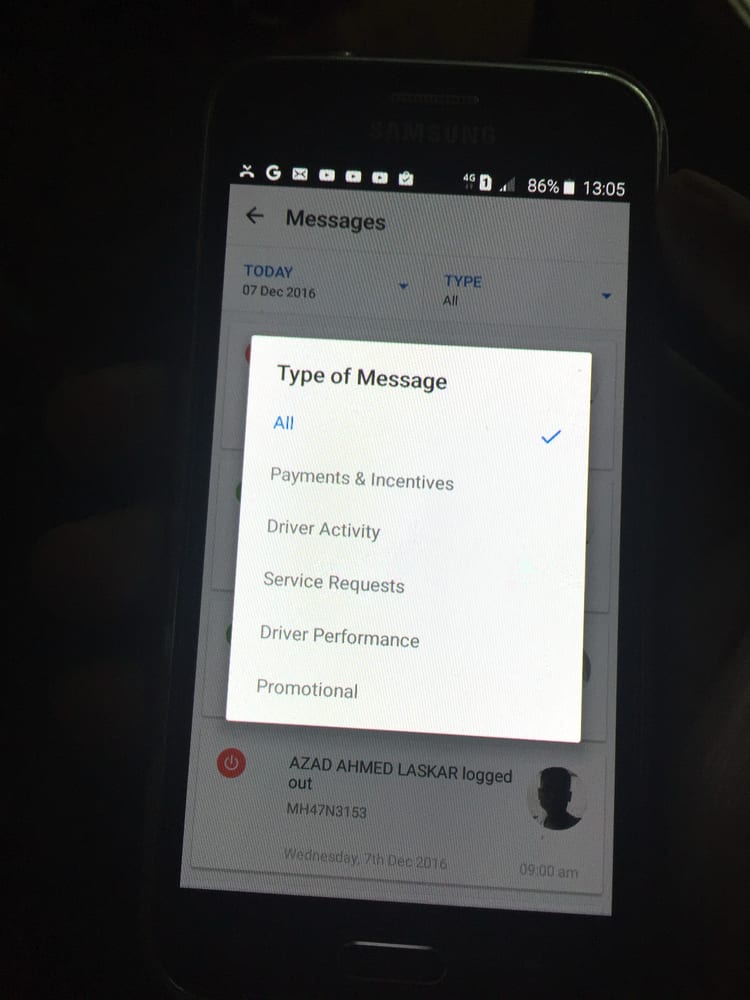
The original Uber Fleet Android app (2016): the driver-activity feed and message-type filters.
Section 10 / 12

Proposed Roadmap

WhatKey featuresLearning goal
MVP 0: Backend + ops support
  • Fleet-manager to driver association
  • Earnings routed to the manager
Prove some demand
MVP 1: Ops tools + basic web app
  • Web app for fleet managers
  • Ops onboarding tools
  • Expand to multiple cities
Safely onboard; driver supply is positive
MVP 2: Android fleet-manager app
  • Real-time driver location
  • Fleet CRUD management
  • Org approval for a platform effort
Retention; grow fleet managers and fleet size
MVP 3: Scale
  • Global rollout
Section 11 / 12

Impact

  1. 40% of new-driver first rides came from fleet supply
  2. Matching was unnecessary; owners already had driver networks
  3. Scaled into Uber's global Fleet platform (LATAM, EMEA, APAC)
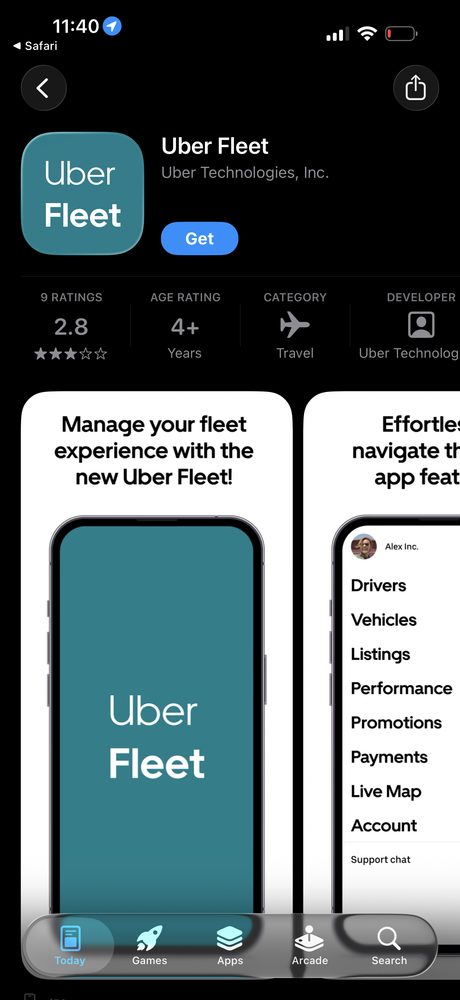
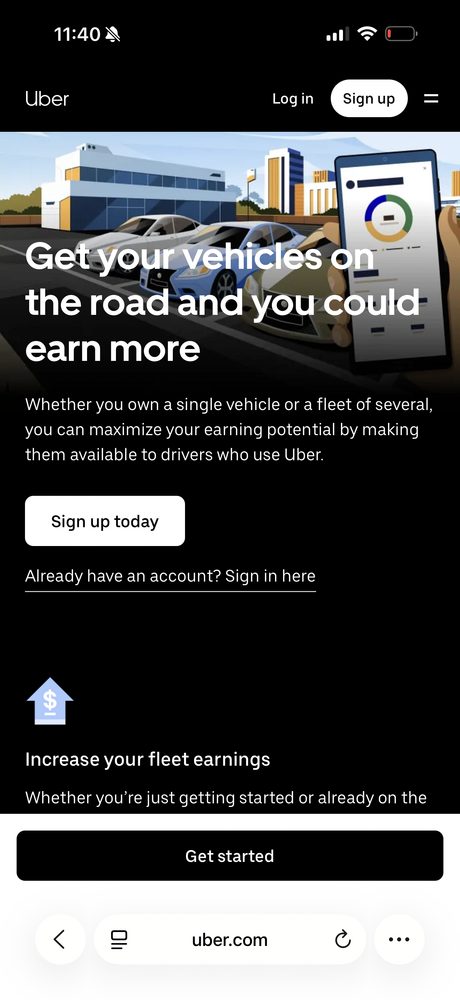
Uber Fleet today: the App Store listing and the uber.com fleet product.
Section 12 / 12

Takeaway

  1. City teams are crucial: local ops turned the strategy into reality on the ground
  2. Stalled growth loops usually signal a marketplace-structure problem, not user acquisition
  3. The fix was a new platform primitive, not another growth hack
  4. Make the hard DACI call: stop optimizing loops and commit engineering to the primitive
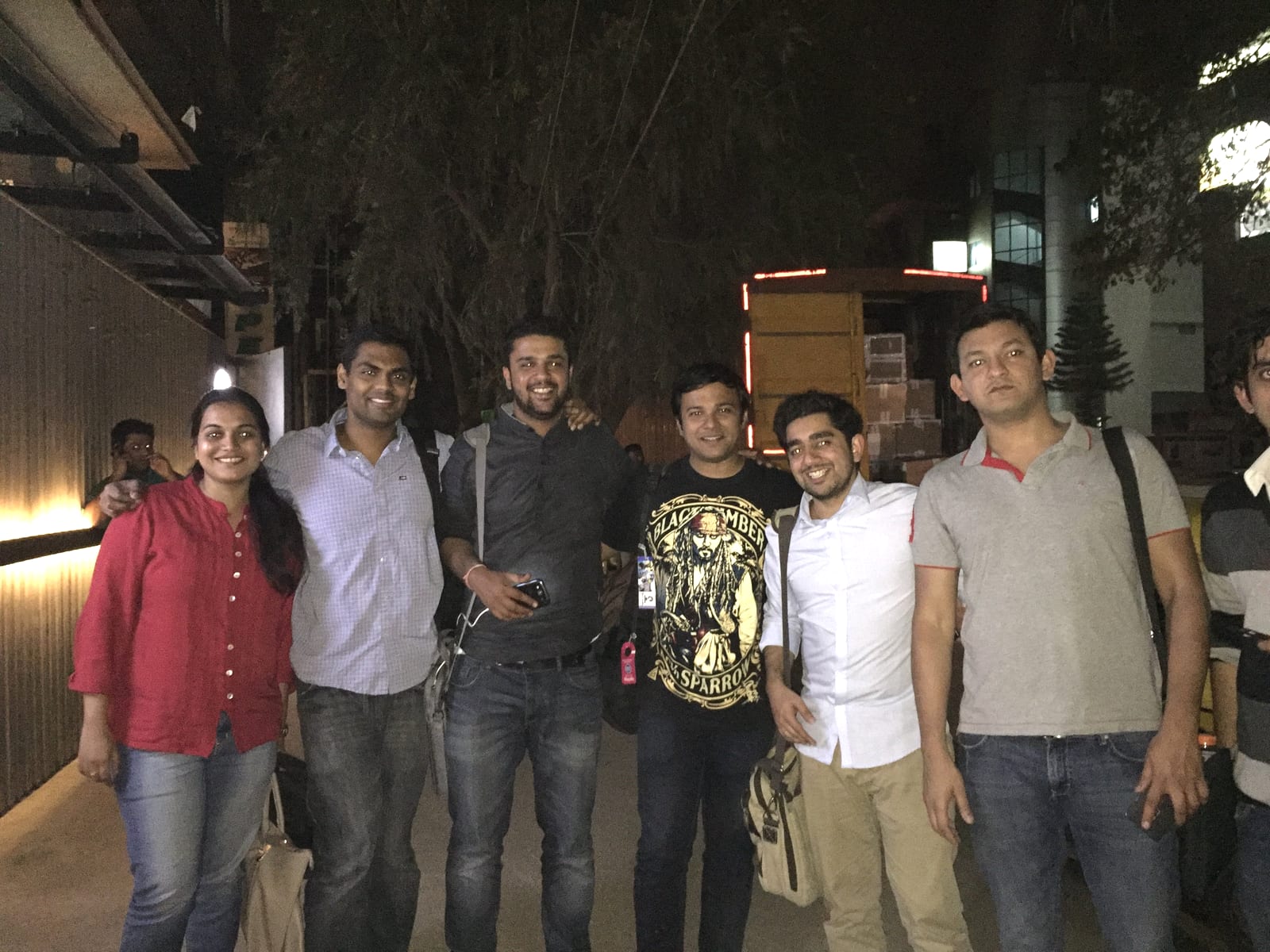
The Uber city team on the ground in India.